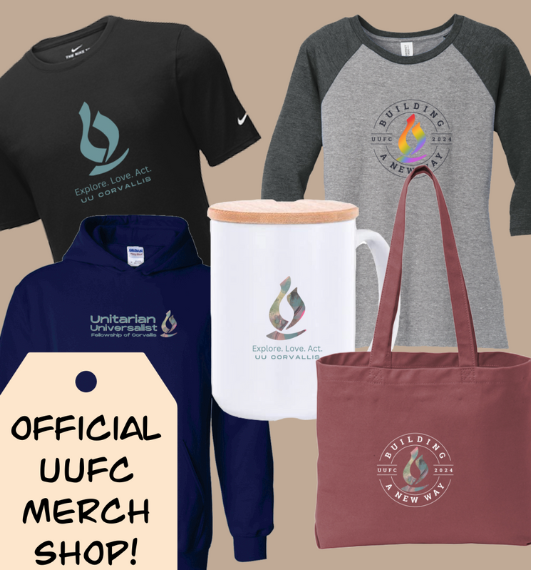
Just in time for holiday gift-giving, we introduce the official UUFC Merch Shop! This virtual storefront allows you to customize a wide assortment of apparel and accessories to show your UUFC pride. We’ve tested the merch from a variety of providers, and this family-owned, PNW-based company has the highest quality custom merch that I’ve found AND gives a percentage of every sale back to the Fellowship! Their delivery time is 2-3 weeks, so give yourself a lot of lead time, but know that you’re getting a better, more durable product for the wait. Want your group or special event at the Fellowship to have merch? Contact Skyla to get your team’s logo set up in our shop!
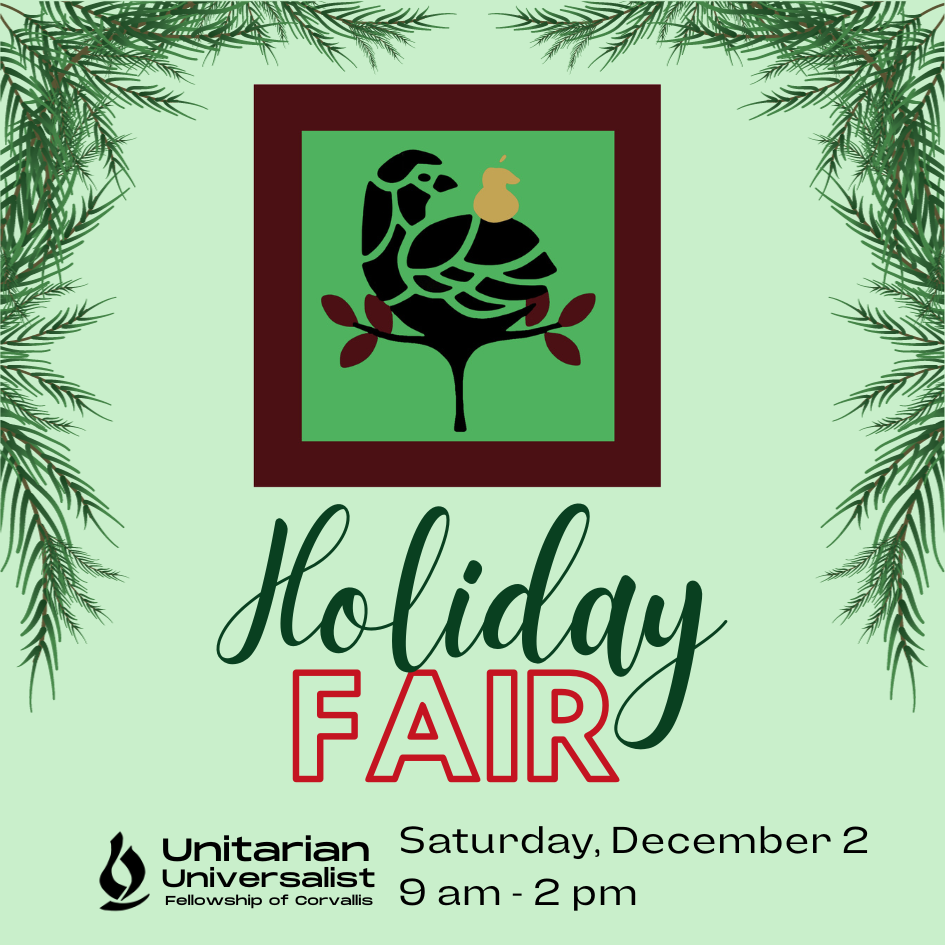
Our UUFC Holiday Fair is Saturday, December 2 from 9:00–2:00. Exquisite gifts by 20 local artisans! Greenery swags and centerpieces, baked goods, and a cafe are also featured. Tell your friends and neighbors. Don’t miss it!
More helpers needed. Most shifts are just 2 hours. It’s so satisfying to work with others for this annual fundraiser. We especially need furniture movers (before & after), kitchen work party participants (before), and at-home bakers (before). Sign up for these and other volunteer activities at https://uucorvallis.org/holiday-fair/
Thank you to Laura Craig and Lynn Evans for their work clearing leaves off the Fellowship lawn. Thank you to Kathy Kopczynski for taking on a leadership role in Fellowship communications.
In March 2020, when the COVID pandemic required us to radically alter our family and community connections, at the Fellowship we undertook a daily practice of cultivating inner nobility and steadiness. The needs and aims were many: including to help decrease worry and anxiety, to increase our ability to acknowledge and accept new ways of doing things, to encourage ourselves and each other to recognize different ways of staying connected, to help ourselves and each other find courage and strength when we felt too fragile or unbalanced. Of course things have changed since March 2020 – at the very least we are no longer in the midst of the global pandemic. Yet in some ways things have not changed – we are certainly still in the midst of global change – physically, socially, emotionally, and more. To practice cultivating inner nobility and steadiness remains a high calling, and a daily opportunity. Is the world we are living in any less challenging than it was in 2020? It doesn’t feel that way. Inner nobility and steadiness have never been more important than now.
What is inner nobility? Here are some ideas: It is the ability to consider the well-being of others in the same way we consider our own well-being. Or, love your neighbor as yourself. It is a capacity to not take everything personally, and to understand ourselves as irrevocably part of a wide and deep network of relations. It is the ability to approach others with loving kindness first. And how do we practice steadiness? Remember what it feels like to be in a boat which rocks. The first instinct is not to tell someone to “stop rocking the boat!”; the first instinct is to add more hand-holds, or rearrange one’s body to move with the rocking. That is, to quickly see the way things are, and adjust in all possible ways.
May we continue to learn, may we continue to practice – may we continue to cultivate inner nobility and steadiness.
A series of 9 hour-long sessions designed especially for newcomers seeking more information about UUism and the Fellowship AND open to all others who are interested. Sessions take place every Sunday at 11:45 AM Room 6C. This week: Campus Tour with John Bailey.
All are invited. Help protect democracy! Meet or catch up with others who are doing this work. We’ll share information about: what we all have accomplished in the last few election cycles, how letter writing makes a difference, and key issue campaigns of the year: Ranked Choice Voting (on Oregon’s ballot) and the Freedom to Vote Act. Join us in the Sanctuary following the Sunday Service.
Gender and Sexual Diversity Justice Team: Michelle Shouse, Patricia Parcells, Becca Bedell, Rachel Kohler, Rev. Jill McAllister
In Unitarian Universalism, freedom means the freedom of each individual to claim their own identity – to not be defined by others or social norms. Transgender people find this freedom hard to come by in most places – indeed many parts of our wider community are dangerous for trans folks. How can we as a congregation help provide more safety and support for all?
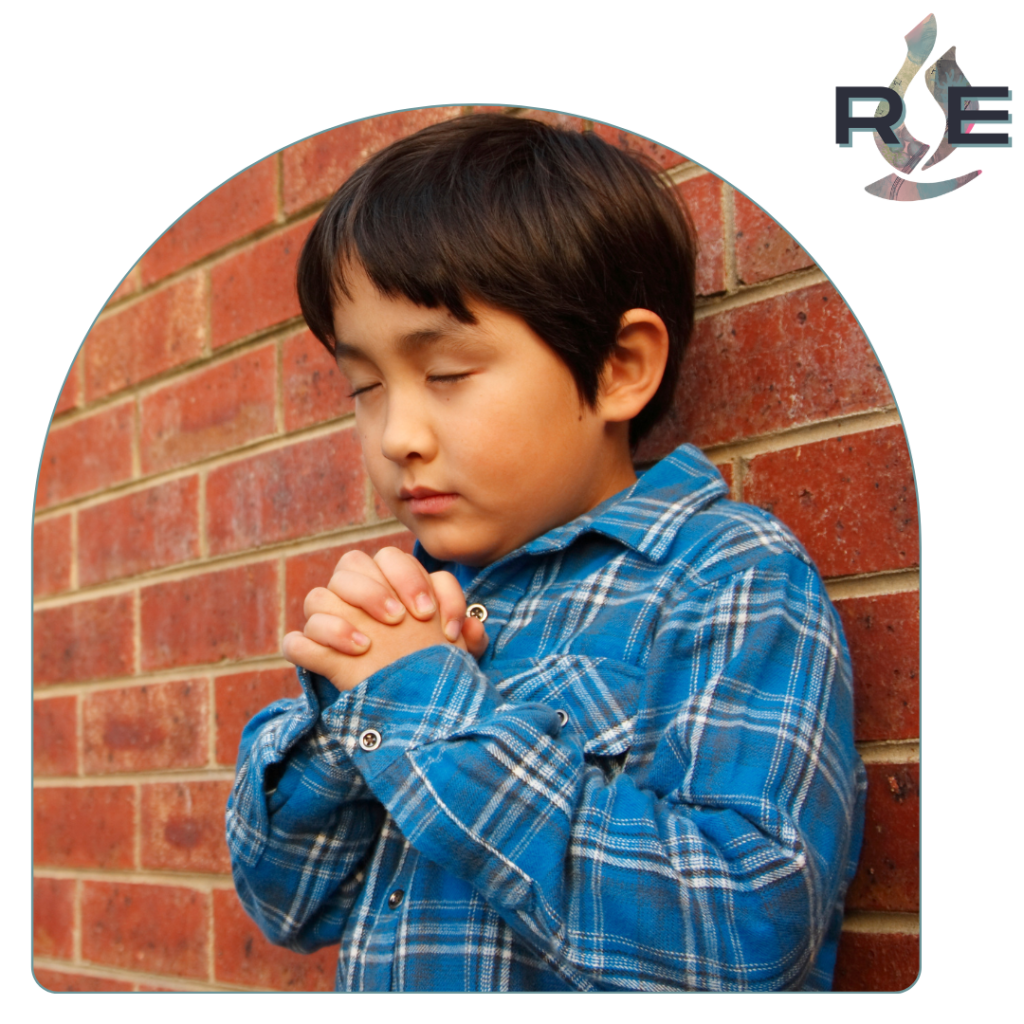
November’s tool in the Family Faith Formation Toolkit is prayer! Pop over to the RE news page and read about the importance of prayer (even when you’re not cozy with the idea of God), a short and easy formula for prayer (in case you’re feeling rusty), and links to inspiring resources, all to help you grow in strength as the spiritual leader of your family!
Prayer can feel like a loaded word, especially if you have an itchy relationship with the term “god.” Still, children have an innate desire to connect with something bigger than themselves, and parents and grandparents are their best spiritual guides. Even if you’re not a fan of the G word, you can teach your child how to pray.
Why pray? Many studies by secular scientists find that prayer can result in reduced anxiety and increased calm and well-being. It’s a great tool to have in your family’s spiritual toolbox!
Not sure how to get started with prayer? Back in the Summer, Reverend Jill McAllister gave us a simple formula for prayer that anyone can use.
address your source of strength
name your complaint
confess your trust
add a petition
express praise & gratitude
EX: Dear Spirit of Love, this world & it news cycles are too much to bear! Love is the only thing I know that can fix this. Please blanket this world in your healing power. Thank you for being a force for good that’s always available.
“I’d go out into a great big field all alone or into the deep, deep woods and I’d look up into the sky…up…up…up into that lovely blue sky that looks as if there was no end to its blueness and then I’d just feel a prayer.”
That’s just one way to pray. I was twelve the first time I heard Anne Shirley’s ideas about prayer. I knew immediately, “That’s the right way to pray!” For me, anyway.
Some people like to pray with ancient language written in far away places. Some prefer to chant prayers or sing them out loud. Some people like blessings, like those written by Kate Bowler in her book Bless the Lives We Actually Have.
Do you remember how you learned to pray? Who taught you? How did you feel? Consider sharing that experience with your children or grandchildren. Remember, there’s no wrong way to connect with the sacred.
A member of our recent Spiritual Practices workshop found their way to my inbox with a request. “Can we take the word sacred out of the workshop so that people who don’t believe in God will feel welcome?” I want to share with you what I shared with this kind-hearted soul. One definition for “the Sacred” is God. Yes. But another definition I’ve seen used is that sacred refers to anything worthy of awe and wonder. You don’t have to believe in God to experience things that are larger than yourself and inspire a sense of awe. Awe is part of the human experience, and prayer is a way to commune with that. What better gift could we give our families than a framework they can use to regularly connect with the sacred?
Homework for Caregivers
If it’s been a while since you prayed, try out Jill’s 5-step plan for prayer and see how it goes. Pay attention to how you feel in your body when you practice prayer. Do you feel tense? Do scratchy feelings well up reminding you of ways that prayer has been weaponized against you in the past? Are you reminded of people who treat prayer like a divine vending machine, always asking for things to be just the way they want them? Or maybe you feel a melting sense of relief when you connect to something that makes you feel small. Maybe it’s comforting to be reminded that you’re not responsible for everything. That something or someone else can handle some of the care of the world and its people.
As you weigh how things are within you, consider your hopes for the children in your life. Are you hopeful that they can connect with their smallness as well as their power? Are there ways you can help your child voice their needs and wants without the entitlement that comes from the ATM-style prayer? Is there a value, to you, in this kind of practice?
These big questions are best when explored with a parenting partner, a friend, or a mentor. Consider calling up someone in your circle of support and asking them to discuss them with you. When you feel ready, discuss them with your kiddos. You might be surprised what you learn.
And, as always, if you want to pop in and discuss prayer or anything else, my door is always open!
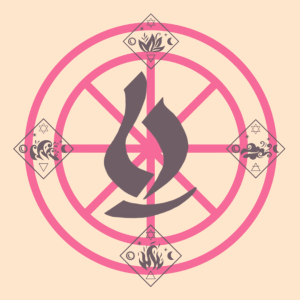
Every six weeks or so, we gather at each of the eight points on the Wheel of the Year as an intergenerational community to celebrate holidays from nature-based neo-pagan tradition with story, song, and ritual. Some of these holidays are widely known, like Yule, the Winter Solstice. Some, like Lughnasadh, are not as well recognized. The eight sacred days on the Wheel start with Yule in December, then proceed to Imbolc in February, Ostara in March, Beltane in May, Litha in June, Lughnasadh in August, Mabon in September, Samhain in October, and then right back around the Wheel to Yule. This cycle of celebration echoes the cycles of the changing year, and it honors the interdependent web of which we are all a part,
The stories we tell as part of these services are told together, with an ever-changing cast of voices. Congregants of all ages can volunteer to take roles in these services, bringing the tales alive with costumes, props, and lots of fun congregational interaction. In addition to the services themselves, each point on the Wheel has been recognized as a holiday throughout human history, and so we honor some of these occasions in extra ways, too! A May Pole for Beltane, Hallow’s Eve costumes for Samhain, sing-a-longs for Yule… Honoring the Wheel of the Year calls for celebrations of all kinds! In addition, each point on the Wheel is accompanied by a Celebration Week — a handful of self-guided activities that are appropriate for all ages that deepen understanding and interaction with the truths of each seasonal celebration.